Many people ask me if my girl has chosen to be a veggie or have I made her do it. They assume that, as a vegetarian, I have forced her to be one as well, in fact it was the other way round, she became one and I couldn’t think of one good reason why I was eating meat.
When she questioned me about what I was eating and I tried to explain that: ‘we are at the top of the food chain,’ ‘that is how it has always been,’ ‘we are meant to eat meat,’ it all sounded so lame, she knew it and said: ‘That is no excuse Mum.‘
She was right, so I joined her.
She has been a vegetarian for nearly a year and is thriving on it, she is as fit as the proverbial fiddle, has tonnes of energy and although she has a sweet tooth (just like her Mum) we don’t have the worry, like an increasing number of parents do, about their little ones becoming obese big ones.
I’ve been a full blown vegetarian now for just over a month, I say full blown as we rarely ate meat anyway, maybe once or twice a month. As ridiculous as it sounds it has had a wonderful psychological effect on me, I feel as though I am so much more healthy and I am actually watching what I eat.
I realise that by fully cutting out meat it won’t have a huge weight loss effect on me, had I been eating two large steaks everyday, it would have done, but anyway, I’m not eating it at all so I won’t be getting the meat fat.
I am also very proud to be a vegetarian, I don’t want to be one of those people who drops it into every conversation, but I just don’t seem to be able to help myself! It just seems to come up, everything seems connected to it somehow, ‘I’m watching my weight, I’m a vegetarian,’ ‘I’m a vegetarian, do you know what rennet is?’ ‘I’m a vegetarian and I can still eat chocolate!’
Saturday, 28 April 2007


Friday, 27 April 2007
Easy, peasy, Thai green curry!
I thought living with a meat eater would cause all sorts of tension, not because I am no longer cooking the required meat and two veg, (I hate cooking, my speciality is boiling everything dry, it’s more can’t cook, won’t cook and if I burn it to buggery I won’t be asked to cook too often!) but because my husband does the majority of cooking in our house, I thought he might not be too keen on having to cook separate meals for the veggies and again for the meat-eaters.
However, he has taken to it like a duck to water (not boiling water, just pond water.) He is mainly vegetarian now, apart from the occasional burger and we are living like kings, he is such a good cook!
Being a vegetarian doesn’t mean you have to live on boiled vegetables and rice, good for slimming but I love my food too much, I want to taste it.
Last night we had Thai green curry, so full of calories, but mouth watering, completely vegetarian and so easy to make.
We had it with broccoli, mushrooms and red peppers, but you could substitute one of the vegetables with tofu, so simple to use, either put in whole at the vegetable adding stage and it will coat everything, or cut it into cubes and fry, then add it to the curry paste with the veg. It takes on the taste of the sauce and is full of protein.
Vegetable Thai Green Curry (as told to me by the chef of the household!)
1 tbsp vegetable oil
2 tbsp green curry paste (according to taste)
1 tbsp soft dark
brown sugar
1-2 thick stalks lemongrass, fat ends bashed with a rolling pin (optional)750g/1½lb approx of mixed vegetables i.e. blanched broccoli, mushrooms cut into quarters, sliced red peppers, basically use whatever you have in the cupboard.
6-8 kaffir lime leaves, torn into pieces (if unavailable, use the grated zest of 1 lime)
400ml/14fl oz coconut milk
small handful of washed spinach
small handful of coriander, roughly chopped
½-1 lime, juice, plus quarters for decoration
Method
Heat the oil in a wok or large frying pan. Add the green curry paste and sugar and cook over a fairly high heat for about a minute, stirring with the lemongrass, if using. Reduce the heat slightly and stir in the peppers, fry for about three minutes, add the remaining vegetables (and tofu) and lime leaves or zest until coated in the paste.
Add the coconut milk and bring to the boil, turn down heat to simmer, cooking for 5-6 minutes until thickened slightly, making sure your vegetables don’t get too soft.
Stir in the coriander and lime juice. Sprinkle the spinach on top to wilt.
The curry is now best left to sit for a few minutes so the sauce becomes creamier. You will also taste the true flavours of the curry paste ingredients when it's slightly cooler.
Serve with a quarter of lime and lots of fragrant Thai jasmine rice. Yum!
However, he has taken to it like a duck to water (not boiling water, just pond water.) He is mainly vegetarian now, apart from the occasional burger and we are living like kings, he is such a good cook!
Being a vegetarian doesn’t mean you have to live on boiled vegetables and rice, good for slimming but I love my food too much, I want to taste it.
Last night we had Thai green curry, so full of calories, but mouth watering, completely vegetarian and so easy to make.
We had it with broccoli, mushrooms and red peppers, but you could substitute one of the vegetables with tofu, so simple to use, either put in whole at the vegetable adding stage and it will coat everything, or cut it into cubes and fry, then add it to the curry paste with the veg. It takes on the taste of the sauce and is full of protein.
Vegetable Thai Green Curry (as told to me by the chef of the household!)
1 tbsp vegetable oil
2 tbsp green curry paste (according to taste)
1 tbsp soft dark
brown sugar
1-2 thick stalks lemongrass, fat ends bashed with a rolling pin (optional)750g/1½lb approx of mixed vegetables i.e. blanched broccoli, mushrooms cut into quarters, sliced red peppers, basically use whatever you have in the cupboard.
6-8 kaffir lime leaves, torn into pieces (if unavailable, use the grated zest of 1 lime)
400ml/14fl oz coconut milk
small handful of washed spinach
small handful of coriander, roughly chopped
½-1 lime, juice, plus quarters for decoration
Method
Heat the oil in a wok or large frying pan. Add the green curry paste and sugar and cook over a fairly high heat for about a minute, stirring with the lemongrass, if using. Reduce the heat slightly and stir in the peppers, fry for about three minutes, add the remaining vegetables (and tofu) and lime leaves or zest until coated in the paste.
Add the coconut milk and bring to the boil, turn down heat to simmer, cooking for 5-6 minutes until thickened slightly, making sure your vegetables don’t get too soft.
Stir in the coriander and lime juice. Sprinkle the spinach on top to wilt.
The curry is now best left to sit for a few minutes so the sauce becomes creamier. You will also taste the true flavours of the curry paste ingredients when it's slightly cooler.
Serve with a quarter of lime and lots of fragrant Thai jasmine rice. Yum!
Thursday, 26 April 2007
The magic of hemp!
Linda McCartney believed that vegetarian cooking was better for the environment.
This got me thinking, if we gave up eating cows there would be less cows (farmers wouldn‘t keep them for the fun of it) and as cows are renowned for their production of methane then less cows equals less methane. All very good for the environment.
Not that I am advocating the loss of cows altogether, don’t get me wrong, I love cows, that’s why I don’t eat them!
Looking at it from an eco point of view, we should also think about where our clothing comes from, as the manufacture of rubber produces a toxic waste, we should perhaps stop wearing the rubber!
As a recent convert to vegetarianism and with light being shed on some clothing nasties i.e. the collection of wool and cashmere, I am choosing to avoid them. However, if I don’t want to wear animals in one form or another and I don’t want to pollute the planet, it is getting hard to find anything to wear, and although being a vegetarian is helping me to slim (a bit) I am nowhere near ready to saunter down the high street in the nude!
This is a minefield:
Cotton
Cotton is, of course, a plant product but there are various environmental considerations to be taken into account, like the heavy use of pesticides, dyes and other chemicals in the finishing process causing pollution. Cotton represents 5% of the world's agriculture and uses 50% of the world's insecticides. DDT is still used in the developing world where it is often too hot for the correct protective clothing to be worn. Instances of poisoning by insecticides are probably higher than reported. (Figures from The Guardian 29.10.90).
Linen
Linen is also a vegetable product, being derived from the Flax plant. Flax is one of the world's oldest cultivated plants. The fibres are extracted from the plant by a process called retting, there is a chemical retting method which is faster but more harmful to the environment.
Rayon
The raw material for rayon is eucalyptus trees, but it requires chlorine in the early stages of production, which in turn causes pollution by organo-chlorine compounds including dioxin.
Synthetics
Synthetic materials are usually oil-based with about 25 thousand barrels of oil a day being used to manufacture materials. Oil is a non-renewable resource and the petro-chemical industry can cause serious pollution. Synthetics are not biodegradable. The production of nylon leads to large quantities of nitrous oxide being emitted. Nitrous oxide is one of the gases responsible for the greenhouse effect.
I feel a streak (not steak) coming on! But before I go out in the street and frighten the horses, take heart, there is hope, HEMP. Anything cotton can do, hemp can do better (the industrial, not the smoking kind) and it is much easier to grow, more resilient to pests, so much, much better for the environment.
This got me thinking, if we gave up eating cows there would be less cows (farmers wouldn‘t keep them for the fun of it) and as cows are renowned for their production of methane then less cows equals less methane. All very good for the environment.
Not that I am advocating the loss of cows altogether, don’t get me wrong, I love cows, that’s why I don’t eat them!
Looking at it from an eco point of view, we should also think about where our clothing comes from, as the manufacture of rubber produces a toxic waste, we should perhaps stop wearing the rubber!
As a recent convert to vegetarianism and with light being shed on some clothing nasties i.e. the collection of wool and cashmere, I am choosing to avoid them. However, if I don’t want to wear animals in one form or another and I don’t want to pollute the planet, it is getting hard to find anything to wear, and although being a vegetarian is helping me to slim (a bit) I am nowhere near ready to saunter down the high street in the nude!
This is a minefield:
Cotton
Cotton is, of course, a plant product but there are various environmental considerations to be taken into account, like the heavy use of pesticides, dyes and other chemicals in the finishing process causing pollution. Cotton represents 5% of the world's agriculture and uses 50% of the world's insecticides. DDT is still used in the developing world where it is often too hot for the correct protective clothing to be worn. Instances of poisoning by insecticides are probably higher than reported. (Figures from The Guardian 29.10.90).
Linen
Linen is also a vegetable product, being derived from the Flax plant. Flax is one of the world's oldest cultivated plants. The fibres are extracted from the plant by a process called retting, there is a chemical retting method which is faster but more harmful to the environment.
Rayon
The raw material for rayon is eucalyptus trees, but it requires chlorine in the early stages of production, which in turn causes pollution by organo-chlorine compounds including dioxin.
Synthetics
Synthetic materials are usually oil-based with about 25 thousand barrels of oil a day being used to manufacture materials. Oil is a non-renewable resource and the petro-chemical industry can cause serious pollution. Synthetics are not biodegradable. The production of nylon leads to large quantities of nitrous oxide being emitted. Nitrous oxide is one of the gases responsible for the greenhouse effect.
I feel a streak (not steak) coming on! But before I go out in the street and frighten the horses, take heart, there is hope, HEMP. Anything cotton can do, hemp can do better (the industrial, not the smoking kind) and it is much easier to grow, more resilient to pests, so much, much better for the environment.
Wednesday, 25 April 2007
Religion, a vegetarian's option?
For both ethical and economic reasons, countless millions of people throughout the world live on a vegetarian diet.
A number of religions and beliefs have lent support to vegetarianism. Brahminism, Buddhism, Jainism and Zoroastrianism all advocated an abstention from flesh foods. More recently, the Seventh Day Adventists and The Order of the Cross have advocated a vegetarian diet and many Hindus and some Roman Catholic groups adhere to a vegetarian diet.
http://www.vegsoc.org/info/developm.html
Other religions have rules about what meat is acceptable to eat and as such have created foods which exclude these meats, therefore making them acceptable for vegetarians to eat.
Kosher
The word "kosher" is used to describe ritual objects that are made in accordance with Jewish law and are fit for ritual use.
There are certain rules which have to be adhered to, including:
certain animals may not be eaten at all. This restriction includes the flesh, organs, eggs and milk of the forbidden animals, however, all animals that have cloven hooves and chew the cud, are allowed to be eaten.
For those of a Jewish faith, to follow the Kosher laws, they used to avoid gelatine, as it was made from ground up pig skin, amongst other things. A kosher gelatine made from vegetable gums such as carrageenan combined with food starch from tapioca (which is also suitable for vegans) is commercially available in supermarkets which have substantial Kosher food sections. Recently, such products have come to be used in pre-packaged gelled fruit products, where animal-based gelatine was previously used.
Halal
Halal is a Quranic term which means allowed or lawful, so Halal foods and drinks are permitted for consumption by those of a Muslim faith.
However, Haram, also a Quranic term, means prohibited or unlawful, making Haram foods and drinks absolutely prohibited for Muslims to consume. These include animal fat, animal shortening, lard, bacon, collagen (pork), gelatine (inc Kosher gelatine) and pork.
For more information visit: http://www.cookeryonline.com/Vegetarian/halal.
This is good to know, so although not all Kosher or Halal foods are suitable for vegetarians, they do have foods within their religions which could be. This broadens which shopping aisles we can look at for vegetarian options.
A number of religions and beliefs have lent support to vegetarianism. Brahminism, Buddhism, Jainism and Zoroastrianism all advocated an abstention from flesh foods. More recently, the Seventh Day Adventists and The Order of the Cross have advocated a vegetarian diet and many Hindus and some Roman Catholic groups adhere to a vegetarian diet.
http://www.vegsoc.org/info/developm.html
Other religions have rules about what meat is acceptable to eat and as such have created foods which exclude these meats, therefore making them acceptable for vegetarians to eat.
Kosher
The word "kosher" is used to describe ritual objects that are made in accordance with Jewish law and are fit for ritual use.
There are certain rules which have to be adhered to, including:
certain animals may not be eaten at all. This restriction includes the flesh, organs, eggs and milk of the forbidden animals, however, all animals that have cloven hooves and chew the cud, are allowed to be eaten.
For those of a Jewish faith, to follow the Kosher laws, they used to avoid gelatine, as it was made from ground up pig skin, amongst other things. A kosher gelatine made from vegetable gums such as carrageenan combined with food starch from tapioca (which is also suitable for vegans) is commercially available in supermarkets which have substantial Kosher food sections. Recently, such products have come to be used in pre-packaged gelled fruit products, where animal-based gelatine was previously used.
Halal
Halal is a Quranic term which means allowed or lawful, so Halal foods and drinks are permitted for consumption by those of a Muslim faith.
However, Haram, also a Quranic term, means prohibited or unlawful, making Haram foods and drinks absolutely prohibited for Muslims to consume. These include animal fat, animal shortening, lard, bacon, collagen (pork), gelatine (inc Kosher gelatine) and pork.
For more information visit: http://www.cookeryonline.com/Vegetarian/halal.
This is good to know, so although not all Kosher or Halal foods are suitable for vegetarians, they do have foods within their religions which could be. This broadens which shopping aisles we can look at for vegetarian options.
Tuesday, 24 April 2007
The travelling vegetarian
You wouldn’t think it would be so hard to be a vegetarian and to travel, we don’t require too much extra catering, in fact we should be easier to cater for than a meat eater, we have only cut something out rather than insisting on something extra.
Yet, when we were coming back from visiting relatives recently we had the misfortune of stopping at a motorway services, in the future I am going to be more organised and make sandwiches, because the food we had was no less than absolutely disgusting.
We had purchased bean burger kiddie meals, as they were the only vegetarian option (apart from just chips) at this particular burger palace. My girl had one bite of hers and couldn’t eat it, I managed three bites and with every single bite felt it burning down my throat, not with heat, but with how spicy it was. So we left them and ate our chips, we should have only ordered them in the first place. For the rest of the journey I had the most painful indigestion.
I don’t understand why a child’s option would be so spicy, the only thing we could think of is that the adult spicy bean burger had been cooked by mistake.
I have since written to Burger King and await their response.
- -- - - - - -- - - -- - - - -- - - - -- - - - --
My friend, who has been veggie for over twenty years, has all sorts of eating out horror stories, ranging from when she went to Italy and spent the entire two weeks eating plain pasta, as everything had either fish or meat or both in a sauce on the top, to conversations with waitresses along the lines of:
Friend: ‘What have you got that is suitable for a vegetarian?’
Waitress: ‘Beef enchiladas.’
Friend: ‘But I’m a vegetarian.’
Waitress: ‘How about the chicken?’
Friend: ‘Um, I’m a vegetarian.’
We are back to chicken again, some people get confused and seem to see chicken as a vegetable, odd.
- -- - -- -- - -- -- - -- -- -- - -- -- -- -
The vegetarian society has some really good information on eating out, visit http://www.vegsoc.org/info/eatingout.html.
They also provide guidelines for practices in catering and what vegetarians should expect, along the lines of work surfaces and chopping boards, utensils and all other kitchen equipment and facilities to be either kept separate from those used for non-vegetarian food preparation, or cleaned thoroughly before vegetarian food preparation, etc.
For further details visit http://www.vegsoc.org/info/definitions.html.
Yet, when we were coming back from visiting relatives recently we had the misfortune of stopping at a motorway services, in the future I am going to be more organised and make sandwiches, because the food we had was no less than absolutely disgusting.
We had purchased bean burger kiddie meals, as they were the only vegetarian option (apart from just chips) at this particular burger palace. My girl had one bite of hers and couldn’t eat it, I managed three bites and with every single bite felt it burning down my throat, not with heat, but with how spicy it was. So we left them and ate our chips, we should have only ordered them in the first place. For the rest of the journey I had the most painful indigestion.
I don’t understand why a child’s option would be so spicy, the only thing we could think of is that the adult spicy bean burger had been cooked by mistake.
I have since written to Burger King and await their response.
- -- - - - - -- - - -- - - - -- - - - -- - - - --
My friend, who has been veggie for over twenty years, has all sorts of eating out horror stories, ranging from when she went to Italy and spent the entire two weeks eating plain pasta, as everything had either fish or meat or both in a sauce on the top, to conversations with waitresses along the lines of:
Friend: ‘What have you got that is suitable for a vegetarian?’
Waitress: ‘Beef enchiladas.’
Friend: ‘But I’m a vegetarian.’
Waitress: ‘How about the chicken?’
Friend: ‘Um, I’m a vegetarian.’
We are back to chicken again, some people get confused and seem to see chicken as a vegetable, odd.
- -- - -- -- - -- -- - -- -- -- - -- -- -- -
The vegetarian society has some really good information on eating out, visit http://www.vegsoc.org/info/eatingout.html.
They also provide guidelines for practices in catering and what vegetarians should expect, along the lines of work surfaces and chopping boards, utensils and all other kitchen equipment and facilities to be either kept separate from those used for non-vegetarian food preparation, or cleaned thoroughly before vegetarian food preparation, etc.
For further details visit http://www.vegsoc.org/info/definitions.html.
Monday, 23 April 2007
Burnt offerings?
What is it about a warm afternoon that inspires men to make fire and spark up a bar-b, most likely when it has become a cold evening?
As you may have gathered, we are, apart from the youngest who will only eat meat, a family of vegetarians. And as far as I can gather, the whole point of having a bar-b is to burn the ass off something, quite literally.
So why, oh why, do we have to have barbeques? If I wanted burnt veg I could just as easily do that on the cooker, as I do most nights.
I want to eat indoors without the fear of being eaten alive by non-vegetarian mosquitoes, without sitting at our uncomfortable picnic table, which has, quite frankly seen better days. And when (I say ‘when’ rather than ‘if,’ it is a given it will happen) the four-year-old meat eater drops his burger amongst the recently cut and yet to be racked up grass, I would rather be indoors, picking dust off it, as grass, ketchup and burger will always stick together.
As much as I appreciate my man making fire, and should he be required to utilise this skill to aid our survival sometime in the future, I will be eternally grateful, however, it does seem like a lot of hard work, for not a lot of reward.
We had kebabs, consisting of peppers, mushrooms and onions (with a soy and honey sauce) and jacket potatoes (done in the oven, incidentally.) The only nod at traditional bar-b fayre were the vegetarian sausages, I won’t mention any names, but they were dry (and burnt!) my girl wouldn’t eat them, I tried my best, but no amount of chewing would soften these things up! I have to say, and this does defend my husbands cooking of them, I have always found this particular brand of sausage dry and the skin is just not right somehow. In the words of Homer Simpson’s dog ‘chewy.’
So we had some nice, quality family time. We enjoyed burnt kebabs with near-raw onion, dry sausage, burger with fresh cut grass salad, I got eaten alive (mosquitoes love me) and drinks with a sprinkling of bugs and grass. The jacket potatoes were lovely though!
A wonderful time was had by all and no doubt the next time the mist lifts round our way my alpha male will be cranking up the bar-b for more burnt offerings.
As you may have gathered, we are, apart from the youngest who will only eat meat, a family of vegetarians. And as far as I can gather, the whole point of having a bar-b is to burn the ass off something, quite literally.
So why, oh why, do we have to have barbeques? If I wanted burnt veg I could just as easily do that on the cooker, as I do most nights.
I want to eat indoors without the fear of being eaten alive by non-vegetarian mosquitoes, without sitting at our uncomfortable picnic table, which has, quite frankly seen better days. And when (I say ‘when’ rather than ‘if,’ it is a given it will happen) the four-year-old meat eater drops his burger amongst the recently cut and yet to be racked up grass, I would rather be indoors, picking dust off it, as grass, ketchup and burger will always stick together.
As much as I appreciate my man making fire, and should he be required to utilise this skill to aid our survival sometime in the future, I will be eternally grateful, however, it does seem like a lot of hard work, for not a lot of reward.
We had kebabs, consisting of peppers, mushrooms and onions (with a soy and honey sauce) and jacket potatoes (done in the oven, incidentally.) The only nod at traditional bar-b fayre were the vegetarian sausages, I won’t mention any names, but they were dry (and burnt!) my girl wouldn’t eat them, I tried my best, but no amount of chewing would soften these things up! I have to say, and this does defend my husbands cooking of them, I have always found this particular brand of sausage dry and the skin is just not right somehow. In the words of Homer Simpson’s dog ‘chewy.’
So we had some nice, quality family time. We enjoyed burnt kebabs with near-raw onion, dry sausage, burger with fresh cut grass salad, I got eaten alive (mosquitoes love me) and drinks with a sprinkling of bugs and grass. The jacket potatoes were lovely though!
A wonderful time was had by all and no doubt the next time the mist lifts round our way my alpha male will be cranking up the bar-b for more burnt offerings.
Sunday, 22 April 2007
Mouth watering and vegetarian?
With my girl becoming a vegetarian I thought it would be like going back to basics, learning how to feed her and us, plus making sure we all got our recommended daily vitamins and minerals.
Actually, as it turned out, it wasn’t that much of an adjustment, we had never been great meat eaters anyway, and had regularly replaced meat with a meat substitute or with lentils. We just cut out the last remnants of meat eating, done, we are vegetarians.
For me it has the added bonus of being an easy way of cutting out extra calories, as, after carrying two kids, I was a bit wider than I had been previously.
There are so many tasty and easy vegetarian recipes, I’m a big fan of the Gillian McKeith and Carol Vorderman detox books, not because we are detoxing, but because they have fantastic recipes.
I have also come across many thousands of recipes online, try some of the links that I have highlighted on ‘Pint-sized recipes online.’
Favourite recipes so far: nut burgers and quick pasta gratin, both from the Good Housekeeping ‘Cooking for vegetarian children’ cookbook. Quick, easy and the kids love them!
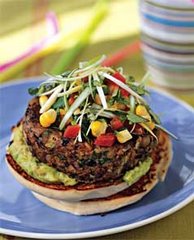
Nut burgers
Makes 8
50g (2oz) vegetable margarine or butter
2 onions, skinned and chopped
1 garlic clove, skinned and crushed
125g (4oz) mushrooms, finely chopped
1 carrot, peeled and grated
125g (4oz) cashew nuts, finely chopped
30ml (2 level tbsp) chopped fresh parsley, coriander or chives (optional)
175g (6oz) fresh breadcrumbs
15ml (1tbsp) light soy sauce
1 egg, beaten
Pepper
Vegetable oil for cooking
Actually, as it turned out, it wasn’t that much of an adjustment, we had never been great meat eaters anyway, and had regularly replaced meat with a meat substitute or with lentils. We just cut out the last remnants of meat eating, done, we are vegetarians.
For me it has the added bonus of being an easy way of cutting out extra calories, as, after carrying two kids, I was a bit wider than I had been previously.
There are so many tasty and easy vegetarian recipes, I’m a big fan of the Gillian McKeith and Carol Vorderman detox books, not because we are detoxing, but because they have fantastic recipes.
I have also come across many thousands of recipes online, try some of the links that I have highlighted on ‘Pint-sized recipes online.’
Favourite recipes so far: nut burgers and quick pasta gratin, both from the Good Housekeeping ‘Cooking for vegetarian children’ cookbook. Quick, easy and the kids love them!
Nut burgers
Makes 8
50g (2oz) vegetable margarine or butter
2 onions, skinned and chopped
1 garlic clove, skinned and crushed
125g (4oz) mushrooms, finely chopped
1 carrot, peeled and grated
125g (4oz) cashew nuts, finely chopped
30ml (2 level tbsp) chopped fresh parsley, coriander or chives (optional)
175g (6oz) fresh breadcrumbs
15ml (1tbsp) light soy sauce
1 egg, beaten
Pepper
Vegetable oil for cooking
Heat the margarine or butter in a frying pan, add the onion, garlic, mushrooms and carrot, and cook over a low heat until softened. Add the remaining ingredients, except the oil.
Divide the mixture into 8 and shape each portion into a burger.
Heat a little oil in a frying pan and cook the burgers for 3-4 minutes on each side or until golden brown. Alternatively, brush the burgers with a little oil and cook under a hot grill.
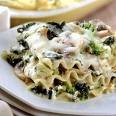
Quick pasta gratin - use whatever vegetable you have to hand: sweet corn, peas, cherry tomatoes all work well.
Serves 2-3
225g (8oz) pasta shapes
Salt and pepper
½ orange, green or red pepper, seeded and roughly chopped
A few green beans or mangetouts
1-2 tomatoes, quartered
A handful of fresh spinach leaves, trimmed and washed
About 125g (4oz) cream cheese with garlic and herbs
60ml (4tbsp) milk
30ml (2tbsp) freshly grated Parmesan or vegetarian cheddar cheese
30ml (2tbsp) breadcrumbs
Cook the pasta in a large saucepan of boiling salted water, adding the chopped pepper and green beans or mangetouts for at least 5 minutes. Drain thoroughly and tip back into the saucepan.
Quickly add the tomatoes, spinach, cream cheese and milk, and toss everything together, stirring until the cheese melts and the spinach wilts. If the cheese refuses to melt, turn the heat on low for a minute or so. It should just coat the pasta and vegetables. Season with salt and pepper.
Turn the mixture into a shallow heat proof dish and sprinkle with the Parmesan or cheddar cheese and the breadcrumbs. Cook under a hot grill until brown.
Good source of Vitamins A and C.
Saturday, 21 April 2007
The essentials......
The nutritional needs of vegetarian children are vitally important to bear in mind, as they are growing they require essential vitamins and minerals to help bones and teeth grow, the repair of body tissue, etc.
To ensure a healthy vegetarian diet here are the main vitamins and minerals that should be included.
Protein
Protein has many important functions in the body. It is essential for the growth and repair of body tissues and therefore particularly important for growing children.
Good vegetarian sources of protein: dairy products (milk, cheese, yogurts); eggs; nuts (hazel, brazil, almonds, cashew, walnuts, pine kernels, chestnuts, pistachio); seeds (sesame, pumpkin, sunflower); grains (wheat in bread, flour, pasta, oats, maize, rice, breakfast cereals); soya products (tofu, soya milk); pulses (peas, beans, lentils, peanuts).
Iron
Iron is essential for the formation of red blood cells.
Good vegetarian sources of iron: cereals; dark green leafy vegetables (spinach, cabbage, watercress); dried fruit; wholemeal bread; nuts; beans and pulses.
Zinc
This essential mineral is involved in a number of body processes, including growth.
Good vegetarian sources of zinc: yeast; nuts; dairy products; whole grain cereals; beans and pulses.
Vitamin B12
This vitamin is needed by the body in minute amounts for growth and the formation of red blood cells.
Good vegetarian sources of Vitamin B12: dairy products; eggs; fortified products (breakfast cereals, yeast extract, soya milk).
Vitamin D
Vitamin D is essential for growth, the absorption of calcium and the formation of strong bones and teeth.
Children have an increased requirement for vitamin D because of their growing bones; they may need a supplement, especially in the winter months, as it is made by human skin when exposed to the sun.
The vitamin is available in a number of different forms - D3 may be of animal origin so strict vegetarians should take D2.
Good vegetarian sources of Vitamin D: egg yolks; milk. All margarines, breakfast cereals and soya milk are fortified with vitamin D.
Riboflavin
Riboflavin or vitamin B2 is essential for the release of energy from food. Dairy products are a good source but cereals are relatively lacking.
Good vegan sources of riboflavin: yeast extract; almonds; green vegetables and pulses.
Calcium
Essential for the formation of strong bones and teeth, calcium is therefore of great importance to children and young people.
Good vegetarian sources of calcium: milk; yogurt; cheese; eggs; sesame seeds; almonds; brazil nuts; tofu; dried fruit; fortified soya milk; green leafy vegetables; pulses.
Calcium is more easily absorbed from dairy products than from other sources.
To ensure a healthy vegetarian diet here are the main vitamins and minerals that should be included.
Protein
Protein has many important functions in the body. It is essential for the growth and repair of body tissues and therefore particularly important for growing children.
Good vegetarian sources of protein: dairy products (milk, cheese, yogurts); eggs; nuts (hazel, brazil, almonds, cashew, walnuts, pine kernels, chestnuts, pistachio); seeds (sesame, pumpkin, sunflower); grains (wheat in bread, flour, pasta, oats, maize, rice, breakfast cereals); soya products (tofu, soya milk); pulses (peas, beans, lentils, peanuts).
Iron
Iron is essential for the formation of red blood cells.
Good vegetarian sources of iron: cereals; dark green leafy vegetables (spinach, cabbage, watercress); dried fruit; wholemeal bread; nuts; beans and pulses.
Zinc
This essential mineral is involved in a number of body processes, including growth.
Good vegetarian sources of zinc: yeast; nuts; dairy products; whole grain cereals; beans and pulses.
Vitamin B12
This vitamin is needed by the body in minute amounts for growth and the formation of red blood cells.
Good vegetarian sources of Vitamin B12: dairy products; eggs; fortified products (breakfast cereals, yeast extract, soya milk).
Vitamin D
Vitamin D is essential for growth, the absorption of calcium and the formation of strong bones and teeth.
Children have an increased requirement for vitamin D because of their growing bones; they may need a supplement, especially in the winter months, as it is made by human skin when exposed to the sun.
The vitamin is available in a number of different forms - D3 may be of animal origin so strict vegetarians should take D2.
Good vegetarian sources of Vitamin D: egg yolks; milk. All margarines, breakfast cereals and soya milk are fortified with vitamin D.
Riboflavin
Riboflavin or vitamin B2 is essential for the release of energy from food. Dairy products are a good source but cereals are relatively lacking.
Good vegan sources of riboflavin: yeast extract; almonds; green vegetables and pulses.
Calcium
Essential for the formation of strong bones and teeth, calcium is therefore of great importance to children and young people.
Good vegetarian sources of calcium: milk; yogurt; cheese; eggs; sesame seeds; almonds; brazil nuts; tofu; dried fruit; fortified soya milk; green leafy vegetables; pulses.
Calcium is more easily absorbed from dairy products than from other sources.
Friday, 20 April 2007
I'm coming out!
‘Coming out’ is a tricky business!
Explaining to a family of meat eaters that you no longer eat meat is a bit tricky, ‘but it is only chicken,’ seems to be the normal response, as if chicken isn‘t meat. Actually, the thought of a parsons nose (that pointed bit by the chickens bum) is what put me off meat in the first place. I had a sudden thought, along the lines of, ‘yuck, that is a chickens bum, what am I doing?’ and have attempted to avoid eating meat ever since.
It was hard enough for me, I am thirty five and my Mum still thinks I am going through a phase! For teenagers, and younger, it must be even harder, however, the Vegetarian Society offer excellent advice on their website, suggesting that, ‘If you decide to go veggie it is important to get your parents on your side.’ Even saying that if your mum has to cook a different meal for you, you should do the washing up, hear, hear! Visit http://www.vegsoc.org/youth/packs/student-parents.html for more information.
They also offer a ‘Parent and Teenager guide to Vegetarianism,’ booklet, which is full of practical suggestions to support young people and their parents. It is packed with information on vegetarian nutrition, recipes, frequently asked questions, as well as common sense practical advice on day to day issues around living with a vegetarian.
It is available online or as a hard copy free from the Vegetarian Society. Visit http://www.vegsoc.org/youth/youngveggies.html to download a pdf or call The Vegetarian Society for a free paper copy.
Explaining to a family of meat eaters that you no longer eat meat is a bit tricky, ‘but it is only chicken,’ seems to be the normal response, as if chicken isn‘t meat. Actually, the thought of a parsons nose (that pointed bit by the chickens bum) is what put me off meat in the first place. I had a sudden thought, along the lines of, ‘yuck, that is a chickens bum, what am I doing?’ and have attempted to avoid eating meat ever since.
It was hard enough for me, I am thirty five and my Mum still thinks I am going through a phase! For teenagers, and younger, it must be even harder, however, the Vegetarian Society offer excellent advice on their website, suggesting that, ‘If you decide to go veggie it is important to get your parents on your side.’ Even saying that if your mum has to cook a different meal for you, you should do the washing up, hear, hear! Visit http://www.vegsoc.org/youth/packs/student-parents.html for more information.
They also offer a ‘Parent and Teenager guide to Vegetarianism,’ booklet, which is full of practical suggestions to support young people and their parents. It is packed with information on vegetarian nutrition, recipes, frequently asked questions, as well as common sense practical advice on day to day issues around living with a vegetarian.
It is available online or as a hard copy free from the Vegetarian Society. Visit http://www.vegsoc.org/youth/youngveggies.html to download a pdf or call The Vegetarian Society for a free paper copy.
Thursday, 19 April 2007
School dinners, rubber chips....
Fortunately, the majority of schools these days provide vegetarian meals, although parents may need to write to schools to request vegetarian meals on behalf of their children.
In the unlikely event of a school not offering a vegetarian choice, a packed lunch is the only answer, look on the Vegetarian Society website http://www.vegsoc.org/info/familyindex.html they have lunchbox recipe ideas.
The Vegetarian Society is considering how it can best support vegetarian groups in universities and colleges in the United Kingdom, and encourage the formation of new veggie groups. This support would include a special email discussion list for student contacts and supplies of leaflets, posters etc.
Students involved in a veggie group at college/university, or thinking about starting up such a group, are asked to get in touch via http://www.vegsoc.org/network/studveg, the Vegetarian Society would like to hear from you.
In the unlikely event of a school not offering a vegetarian choice, a packed lunch is the only answer, look on the Vegetarian Society website http://www.vegsoc.org/info/familyindex.html they have lunchbox recipe ideas.
The Vegetarian Society is considering how it can best support vegetarian groups in universities and colleges in the United Kingdom, and encourage the formation of new veggie groups. This support would include a special email discussion list for student contacts and supplies of leaflets, posters etc.
Students involved in a veggie group at college/university, or thinking about starting up such a group, are asked to get in touch via http://www.vegsoc.org/network/studveg, the Vegetarian Society would like to hear from you.
Wednesday, 18 April 2007
Can it provide all the nutrients necessary for a growing child?
This question causes concern for many parents with vegetarian children. The short answer is yes. In fact, a number of studies have shown that vegetarians are generally healthier than people who eat meat.
However, a vegetarian diet does need to be well planned if it is to meet the increased nutritional demands of a growing child. There are some areas if nutrition that require special attention for all vegetarians, and these are particularly important for children because their needs are higher than those of adults.
The Food Standards Agency has an excellent website, which has information on eating healthily as a vegetarian and vegan. With specific nutritional advice for parents wanting to ensure their children get all the nutrition they need. Visit: http://www.eatwell.gov.uk/healthydiet/vegaveg
Special care must be taken when feeding kids and teens a vegetarian diet, especially if it doesn't include dairy and egg products. And, as with any diet, you'll need to not only ensure that your child is getting enough of all the necessary nutrients, but understand that the nutritional needs of children change as they grow.
For more information visit: http://www.kidshealth.org/parent/nutrition_fit/nutrition/vegetarianism.html
However, a vegetarian diet does need to be well planned if it is to meet the increased nutritional demands of a growing child. There are some areas if nutrition that require special attention for all vegetarians, and these are particularly important for children because their needs are higher than those of adults.
The Food Standards Agency has an excellent website, which has information on eating healthily as a vegetarian and vegan. With specific nutritional advice for parents wanting to ensure their children get all the nutrition they need. Visit: http://www.eatwell.gov.uk/healthydiet/vegaveg
Special care must be taken when feeding kids and teens a vegetarian diet, especially if it doesn't include dairy and egg products. And, as with any diet, you'll need to not only ensure that your child is getting enough of all the necessary nutrients, but understand that the nutritional needs of children change as they grow.
For more information visit: http://www.kidshealth.org/parent/nutrition_fit/nutrition/vegetarianism.html
Tasty alternatives......
My little girl is ace. Not only has she decided she wants to be vegetarian, but she happily tries all the substitutes and I am pleased to say is thriving on them.
Her favourite so far is the Quorn spicy chicken style burgers, although difficult to buy (hardly anywhere sells them) she loves them. They have plenty of taste and none of the meat fat, gristle and rubbish you would find in a cheap chicken burger.
Asda do their own range of vegetarian ready meals, their mince and gravy pies are lovely. Although I have to say, I don’t understand my wanting to eat things that taste like meat (faux bacon, mince meat) when being a veggie means you don’t want to eat meat, I’m confused by my irrational behaviour!
Pre having a pint-sized vegetarian in the house, I used to buy Quorn mince, as it is better for us than the fatty meat alternative, but I have, for a long time now, used lentils instead of mince. I came late to lentils, I was never very keen on them, but when they are in a cottage pie or bolognaise sauce they take on the flavour, bulk it up and they taste good. And best of all, there isn’t any fat, good for those of us trying to watch our weight.
Being a vegetarian has become so much easier in recent years as there are many alternatives readily available. I’m glad to say each supermarket giant has jumped onto the vegetarian bandwagon, they have realised there are thousands of us out there needing good veggie meals and meat alternatives.
Her favourite so far is the Quorn spicy chicken style burgers, although difficult to buy (hardly anywhere sells them) she loves them. They have plenty of taste and none of the meat fat, gristle and rubbish you would find in a cheap chicken burger.
Asda do their own range of vegetarian ready meals, their mince and gravy pies are lovely. Although I have to say, I don’t understand my wanting to eat things that taste like meat (faux bacon, mince meat) when being a veggie means you don’t want to eat meat, I’m confused by my irrational behaviour!
Pre having a pint-sized vegetarian in the house, I used to buy Quorn mince, as it is better for us than the fatty meat alternative, but I have, for a long time now, used lentils instead of mince. I came late to lentils, I was never very keen on them, but when they are in a cottage pie or bolognaise sauce they take on the flavour, bulk it up and they taste good. And best of all, there isn’t any fat, good for those of us trying to watch our weight.
Being a vegetarian has become so much easier in recent years as there are many alternatives readily available. I’m glad to say each supermarket giant has jumped onto the vegetarian bandwagon, they have realised there are thousands of us out there needing good veggie meals and meat alternatives.
Tuesday, 17 April 2007
Veg TV for me!
I found this really good site, called ‘veg tv.’ Vegetarian celebs talking about what made them choose to be a veggie and how it has affected their lives, all for the good, I have to say!
I enjoyed Alec Baldwin talking about how ex-wife Kim Basinger got him into be a veggie and when they divorced all his mates expected him to give it up, but he is still a keen veggie and animal rights campaigner.
Heather Mills-McCartney, much vilified in the press, had some valid and upsetting information to divulge about animals be skinned alive. As nasty as the information is, we need people to know about it, so they will stop buying fur.
Incidentally, this has nothing to do with me being a veggie, it has to do with being a compassionate human being.
Veg tv is good to have a browse around and I hope their strap line is true: ‘Loose weight, feel better, get more energy, look sexier, save money, live longer!’
To take a look, visit: http://www.vegtv.com
I enjoyed Alec Baldwin talking about how ex-wife Kim Basinger got him into be a veggie and when they divorced all his mates expected him to give it up, but he is still a keen veggie and animal rights campaigner.
Heather Mills-McCartney, much vilified in the press, had some valid and upsetting information to divulge about animals be skinned alive. As nasty as the information is, we need people to know about it, so they will stop buying fur.
Incidentally, this has nothing to do with me being a veggie, it has to do with being a compassionate human being.
Veg tv is good to have a browse around and I hope their strap line is true: ‘Loose weight, feel better, get more energy, look sexier, save money, live longer!’
To take a look, visit: http://www.vegtv.com
Monday, 16 April 2007
Fine wine and swim bladders?
I know this is something that I don’t have to worry about with regards to my pint-sized vegetarian (as she is only 7 years old!) however, as a vegetarian myself, albeit recently converted, I do worry about animal derivatives in my wine. Animal parts in wine, for crying out loud, as with most things, you just have to let your jaw drop.
Until recently it had never occurred to me that I should look at the bottle label to see if my wine is suitable for vegetarians, why would it have meat in it?
According to the Vegetarian Society the use of animal derived products in the production of alcoholic beverages is fairly widespread not because no alternatives exist, but because they always have been used and there is little demand from the consumer for an alternative.
The main obstacle when trying to judge the acceptability to vegetarians of any given product is a clause in the 1984 Food Labelling Regulations (UK) which exclude from the 1984 Food Act all drinks with an alcohol content exceeding 1.2% by volume (ABV), leaving only very low or non-alcoholic beers, wines and ciders being required to list all ingredients.
The main appearance of animal derived products is in the fining or clearing process, though others may be used as colorants or anti-foaming agents.
It must be pointed out that alcohol is routinely tested on thousands of animals each year (though this is not usually done directly by any individual company).
Beer
Cask-conditioned ales need fining to clear the material (especially the yeast) held in suspension in the liquid. This is invariably done by adding isinglass, derived from the swim bladders of certain tropical fish especially the Chinese sturgeon, which acts as a falling suspension. If you were to hold a pint of real ale up to the light and see cloudy lumps swirling around that would suggest that the cask had been recently disturbed and the isinglass shaken up from the bottom. Bottled naturally conditioned beers will not always have been treated with isinglass. Keg Beers and Lagers are pasteurised and usually passed through Chill Filters, as are canned beers and some bottled beers, however a considerable number of breweries still use isinglass to clear their pasteurised beers, though sometimes only to rescue selected batches which are considered too hazy. Also occasionally the sometimes animal derived additive Glyceryl Monostearate is used in place of 900 Dimethylpolysiloxane as a foam-control agent in the production of keg beers.
Cider
Most of the main brands of cider will have been fined using gelatine. Scrumpy type ciders are less likely to have been fined.
Wine
With wine, it is again in the fining process that animal derived ingredients make an appearance. Finings can be isinglass, gelatine, egg albumen, modified casein (from milk), chitin (derived from the shells of crabs or lobsters) or ox blood (rarely used today). But alternatives do exist in the form of bentonite, kieselguhr, kaolin and silica gel or solution.
Also newer methods such as centrifuging and filtering are becoming more popular.
You might like to note that the Wine Development Board claim that the fining agents are removed at the end of the process with the possible exception of very minute quantities.
Spirits
Most spirits appear to be acceptable to vegetarians, with the possible exception of Malt Whisky, some blended whiskies and Spanish Brandies which have been conditioned in casks which had previously held sherry which may have been treated with animal derived finings. (Brandy itself is not produced from wine which has undergone any fining processes). Also some imported Vodkas may have been passed through a bone charcoal filter.
For more information visit: www.vegsoc.org/info/alcohol.html
Until recently it had never occurred to me that I should look at the bottle label to see if my wine is suitable for vegetarians, why would it have meat in it?
According to the Vegetarian Society the use of animal derived products in the production of alcoholic beverages is fairly widespread not because no alternatives exist, but because they always have been used and there is little demand from the consumer for an alternative.
The main obstacle when trying to judge the acceptability to vegetarians of any given product is a clause in the 1984 Food Labelling Regulations (UK) which exclude from the 1984 Food Act all drinks with an alcohol content exceeding 1.2% by volume (ABV), leaving only very low or non-alcoholic beers, wines and ciders being required to list all ingredients.
The main appearance of animal derived products is in the fining or clearing process, though others may be used as colorants or anti-foaming agents.
It must be pointed out that alcohol is routinely tested on thousands of animals each year (though this is not usually done directly by any individual company).
Beer
Cask-conditioned ales need fining to clear the material (especially the yeast) held in suspension in the liquid. This is invariably done by adding isinglass, derived from the swim bladders of certain tropical fish especially the Chinese sturgeon, which acts as a falling suspension. If you were to hold a pint of real ale up to the light and see cloudy lumps swirling around that would suggest that the cask had been recently disturbed and the isinglass shaken up from the bottom. Bottled naturally conditioned beers will not always have been treated with isinglass. Keg Beers and Lagers are pasteurised and usually passed through Chill Filters, as are canned beers and some bottled beers, however a considerable number of breweries still use isinglass to clear their pasteurised beers, though sometimes only to rescue selected batches which are considered too hazy. Also occasionally the sometimes animal derived additive Glyceryl Monostearate is used in place of 900 Dimethylpolysiloxane as a foam-control agent in the production of keg beers.
Cider
Most of the main brands of cider will have been fined using gelatine. Scrumpy type ciders are less likely to have been fined.
Wine
With wine, it is again in the fining process that animal derived ingredients make an appearance. Finings can be isinglass, gelatine, egg albumen, modified casein (from milk), chitin (derived from the shells of crabs or lobsters) or ox blood (rarely used today). But alternatives do exist in the form of bentonite, kieselguhr, kaolin and silica gel or solution.
Also newer methods such as centrifuging and filtering are becoming more popular.
You might like to note that the Wine Development Board claim that the fining agents are removed at the end of the process with the possible exception of very minute quantities.
Spirits
Most spirits appear to be acceptable to vegetarians, with the possible exception of Malt Whisky, some blended whiskies and Spanish Brandies which have been conditioned in casks which had previously held sherry which may have been treated with animal derived finings. (Brandy itself is not produced from wine which has undergone any fining processes). Also some imported Vodkas may have been passed through a bone charcoal filter.
For more information visit: www.vegsoc.org/info/alcohol.html
Sunday, 15 April 2007
Fur and leather, say no more......
I appear to live in a naïve little world, or perhaps I am just ignorant and unthinking about the things that go on around me, but I am constantly aghast as I look into vegetarianism and its other possible spheres, and discover the treatment of animals, how have I got to the age I am and never questioned it before?
Obviously, I am not so ignorant that I haven’t realised before now that animals have to die so we can have comfy boots and leather jackets, but it is the treatment of the animals that upsets me. Without sounding like an hysterical woman, why can’t they be treated with a bit more respect? They have feelings too, and I don’t mean in the ‘it wasn’t what you said, it was the way you said it’ way, I mean they feel pain, just like us, and by the sound of it, they spend their whole lives in physical discomfort until they have the welcome release of a knock on the head.
Included below are two very good, if harrowing, descriptions of how animals are treated for the procurement of fur and leather, found on the Vegetarian Society website, for full details visit: http://www.vegsoc.org/info/clothing.html.
Leather
Should vegetarians wear leather? That's a question we hear all the time. Some people think it is OK because leather is just a by-product of the meat industry and the animals weren't killed just for their skins. Others seem to believe that there's a strong chance the animal died naturally. But neither excuse really holds water.
Very few farm animals in this country ever reach the natural end of their lifespan, most are killed when they are little more than adolescents. The remaining ones go for slaughter because they are worn out by a lifetime of continuous breeding and/or lactation and artificially heightened fertility.
The leather we like best, soft leather, doesn't come from old cows at all, it comes from calves and the softest leather of all comes from unborn calves whose mothers have been slaughtered.
And leather might be just a by-product, but it's a very important one for the meat trade. About 10% of the value of the animal at the abattoir is in its skin, worth about 650 million pounds a year in the UK, so by buying leather, we are helping to support the meat industry.
Domestic animals aren't the only ones to be used for leather production, the list includes deer, alligators, crocodile, toads, ostriches, kangaroos, lizards, snakes and seals. Many of these are already endangered species but the high prices commanded by their skins make it very tempting for impoverished natives to poach.
And although we are far from convinced that death in a slaughterhouse is humane, some attempt at least is made to stun the animals first. Wild species killed for leather have no protection at all, they may be clubbed to death or caught in cruel traps. A report in the American magazine Animals Agenda (March 1991) suggests snakes and lizards are routinely skinned alive because dealers believe this makes the finished skin more supple. Studies by herpetologists found that alligators and other reptiles could survive live skinning, taking nearly two hours to die afterwards.
Finding alternatives to leather is not quite as easy as finding alternative vegetarian foods, but we should certainly do what we can. For example, no-one needs to buy handbags, purses, wallets and belts made from leather, plenty of acceptable alternatives are available. Finding alternatives to leather clothing designed specifically for protection, like heavy-duty shoes and motorcycling leathers is not so easy but do keep on asking. It is very important to let manufacturers and retailers know that there is a demand for alternatives to leather.
Some people will say that leather is a natural, eco-friendly product but the leather industry is a major source of pollution. Tanneries are often sited near rivers as the process needs a plentiful supply of water and the waste - including hair, salt, lime, sludge, acids and chrome - is discharged into the river.
More information from: Campaign Against Leather and Fur, BM 8889, London WC1N 3XX
Fur
Most people know about the cruelties involved in obtaining fur. The animals are either trapped wild or farmed. Both methods of production involve cruelty.
Wild trapping can mean endangered species being wiped out, besides the individual suffering of animals caught in steel-jawed leg hold traps. Some animals go to desperate lengths to escape, often gnawing off part of their own leg or paw.
The traps do not discriminate, so other animals may also be destroyed or maimed, including some domestic animals. As many as 50% of the animals caught in traps will be no use to the fur trade, which refers to them as "trash animals".
Farmed animals, principally mink and arctic fox, are kept imprisoned all their lives in tiny cages. Fur farming is a vast industry with more than 40 million animals being raised in intensive conditions, mainly in North America and Scandinavia.
Consider what it must be like for a creature like the arctic fox, which naturally roams a territory of about 15,000 acres, to spend its life in a cage measuring just a few cubic feet.
Animals like mink are often introduced into a country by accident when they escape from fur farms, posing a threat to native wildlife. For example, it was reported in New Scientist (30.3.91) that water voles in North Yorkshire are under threat from mink who not only prey on them but also take over their breeding sites. The mink population is increasing but the future looks bleak for the voles.
In Britain, there is no legal requirement for the farmers to be trained in methods of slaughtering their livestock.
More Information:
Operation Fur Factory, PO Box 87, Rochdale, Lancs, OL16 1AA.
No Fur Campaign, WSPA, Park Place, 10 Lawn Lane, London, SW8 1UD. Tel: 071 793 0540
Respect for Animals, PO Box 500, Nottingham NG1 3AS.
Source: http://www.vegsoc.org/info/clothing.html
What is worth a look is the Vegetarian Society classifieds, where they have listings of animal friendly clothes and shoes, ttp://www.vegsoc.org/directory/clothing.html
Obviously, I am not so ignorant that I haven’t realised before now that animals have to die so we can have comfy boots and leather jackets, but it is the treatment of the animals that upsets me. Without sounding like an hysterical woman, why can’t they be treated with a bit more respect? They have feelings too, and I don’t mean in the ‘it wasn’t what you said, it was the way you said it’ way, I mean they feel pain, just like us, and by the sound of it, they spend their whole lives in physical discomfort until they have the welcome release of a knock on the head.
Included below are two very good, if harrowing, descriptions of how animals are treated for the procurement of fur and leather, found on the Vegetarian Society website, for full details visit: http://www.vegsoc.org/info/clothing.html.
Leather
Should vegetarians wear leather? That's a question we hear all the time. Some people think it is OK because leather is just a by-product of the meat industry and the animals weren't killed just for their skins. Others seem to believe that there's a strong chance the animal died naturally. But neither excuse really holds water.
Very few farm animals in this country ever reach the natural end of their lifespan, most are killed when they are little more than adolescents. The remaining ones go for slaughter because they are worn out by a lifetime of continuous breeding and/or lactation and artificially heightened fertility.
The leather we like best, soft leather, doesn't come from old cows at all, it comes from calves and the softest leather of all comes from unborn calves whose mothers have been slaughtered.
And leather might be just a by-product, but it's a very important one for the meat trade. About 10% of the value of the animal at the abattoir is in its skin, worth about 650 million pounds a year in the UK, so by buying leather, we are helping to support the meat industry.
Domestic animals aren't the only ones to be used for leather production, the list includes deer, alligators, crocodile, toads, ostriches, kangaroos, lizards, snakes and seals. Many of these are already endangered species but the high prices commanded by their skins make it very tempting for impoverished natives to poach.
And although we are far from convinced that death in a slaughterhouse is humane, some attempt at least is made to stun the animals first. Wild species killed for leather have no protection at all, they may be clubbed to death or caught in cruel traps. A report in the American magazine Animals Agenda (March 1991) suggests snakes and lizards are routinely skinned alive because dealers believe this makes the finished skin more supple. Studies by herpetologists found that alligators and other reptiles could survive live skinning, taking nearly two hours to die afterwards.
Finding alternatives to leather is not quite as easy as finding alternative vegetarian foods, but we should certainly do what we can. For example, no-one needs to buy handbags, purses, wallets and belts made from leather, plenty of acceptable alternatives are available. Finding alternatives to leather clothing designed specifically for protection, like heavy-duty shoes and motorcycling leathers is not so easy but do keep on asking. It is very important to let manufacturers and retailers know that there is a demand for alternatives to leather.
Some people will say that leather is a natural, eco-friendly product but the leather industry is a major source of pollution. Tanneries are often sited near rivers as the process needs a plentiful supply of water and the waste - including hair, salt, lime, sludge, acids and chrome - is discharged into the river.
More information from: Campaign Against Leather and Fur, BM 8889, London WC1N 3XX
Fur
Most people know about the cruelties involved in obtaining fur. The animals are either trapped wild or farmed. Both methods of production involve cruelty.
Wild trapping can mean endangered species being wiped out, besides the individual suffering of animals caught in steel-jawed leg hold traps. Some animals go to desperate lengths to escape, often gnawing off part of their own leg or paw.
The traps do not discriminate, so other animals may also be destroyed or maimed, including some domestic animals. As many as 50% of the animals caught in traps will be no use to the fur trade, which refers to them as "trash animals".
Farmed animals, principally mink and arctic fox, are kept imprisoned all their lives in tiny cages. Fur farming is a vast industry with more than 40 million animals being raised in intensive conditions, mainly in North America and Scandinavia.
Consider what it must be like for a creature like the arctic fox, which naturally roams a territory of about 15,000 acres, to spend its life in a cage measuring just a few cubic feet.
Animals like mink are often introduced into a country by accident when they escape from fur farms, posing a threat to native wildlife. For example, it was reported in New Scientist (30.3.91) that water voles in North Yorkshire are under threat from mink who not only prey on them but also take over their breeding sites. The mink population is increasing but the future looks bleak for the voles.
In Britain, there is no legal requirement for the farmers to be trained in methods of slaughtering their livestock.
More Information:
Operation Fur Factory, PO Box 87, Rochdale, Lancs, OL16 1AA.
No Fur Campaign, WSPA, Park Place, 10 Lawn Lane, London, SW8 1UD. Tel: 071 793 0540
Respect for Animals, PO Box 500, Nottingham NG1 3AS.
Source: http://www.vegsoc.org/info/clothing.html
What is worth a look is the Vegetarian Society classifieds, where they have listings of animal friendly clothes and shoes, ttp://www.vegsoc.org/directory/clothing.html
Saturday, 14 April 2007
Additives? Not for me, thanks.
Whenever you mention additives to people, they always say cochineal, ground up cochineal insect which produces a red dye, and to be honest it was the first I thought of. Well, I was shocked to see on the Vegetarian Society’s website, that it is the only E number that is always vegetarian.
However, there are nearly 50 other E numbers which can be produced from both vegetarian and non-vegetarian sources, that means any additives you have in your food, may contain some meat derivative.
They have nasty sounding names like ‘E432 Polyoxyethylene (20) sorbitan monolaurate’ and ‘E472(e) Mono- and di-acetyl tartaric acid esters of mono- and di-glycerides of fatty acids.’
With names like that you know they can’t be good, and what is most scary, I bet they are in our kids sweets by the bucket load.
There is also our old friend, Gelatine, also known as E number E441.
As always, there are your everyday foods, which you would assume have never been near a meat product, why would they? The additives used shoot that theory down in flames.
Take bread, for instance, most large producers use vegetable based emulsifiers (E471, E472 etc), but local bakers may not. Some bakers may grease the tins with animal fat, yum.
Breakfast cereals are often fortified with vitamin D3 which is found in oily fish and milk products, it is also derived from lanolin in sheep’s wool, therefore, if you want a guilt free conscience, look out for D3 which is guaranteed sourced from wool sheared from live sheep.
Emulsifiers, they sound horrible anyway and they may not be vegetarian.
Ice Cream may contain non-dairy fats, E numbers and eggs.
Margarines may contain animal fats, fish oils, vitamin D3, E numbers, whey and gelatine.
Some canned orange flavoured soft drinks use gelatine as a carrier for added Beta Caratine. (This would not appear on the ingredients panel).
And finally, look out for gelatine in boiled sweets and mints. Some vegetarian sweets are listed by chocolate manufacturers.
For the full list of E numbers visit the Vegetarian Society website, http://www.vegsoc.org/info/enumbers.html
However, there are nearly 50 other E numbers which can be produced from both vegetarian and non-vegetarian sources, that means any additives you have in your food, may contain some meat derivative.
They have nasty sounding names like ‘E432 Polyoxyethylene (20) sorbitan monolaurate’ and ‘E472(e) Mono- and di-acetyl tartaric acid esters of mono- and di-glycerides of fatty acids.’
With names like that you know they can’t be good, and what is most scary, I bet they are in our kids sweets by the bucket load.
There is also our old friend, Gelatine, also known as E number E441.
As always, there are your everyday foods, which you would assume have never been near a meat product, why would they? The additives used shoot that theory down in flames.
Take bread, for instance, most large producers use vegetable based emulsifiers (E471, E472 etc), but local bakers may not. Some bakers may grease the tins with animal fat, yum.
Breakfast cereals are often fortified with vitamin D3 which is found in oily fish and milk products, it is also derived from lanolin in sheep’s wool, therefore, if you want a guilt free conscience, look out for D3 which is guaranteed sourced from wool sheared from live sheep.
Emulsifiers, they sound horrible anyway and they may not be vegetarian.
Ice Cream may contain non-dairy fats, E numbers and eggs.
Margarines may contain animal fats, fish oils, vitamin D3, E numbers, whey and gelatine.
Some canned orange flavoured soft drinks use gelatine as a carrier for added Beta Caratine. (This would not appear on the ingredients panel).
And finally, look out for gelatine in boiled sweets and mints. Some vegetarian sweets are listed by chocolate manufacturers.
For the full list of E numbers visit the Vegetarian Society website, http://www.vegsoc.org/info/enumbers.html
Wednesday, 11 April 2007
Dog is meat like any other.....
I find it astonishing, what is deemed fit to eat in one society, will set the stomachs churning of even the most voracious meat eater in another.
In the name of research I watched ‘Cooking in the Danger Zone,’ on BBC4. I think BBC4 are in competition with BBC3 to see who can have the most gory programme.
Anyway, TV cook and presenter Stefan Gates was in Korea to explore their love of dog meat, or any other kind of meat, when it comes to it.
As obvious as it sounds, here in the western world, canine meat is taboo, a step away from cannibalism. However, keen to discover whether dog meat had been given a fair trial, Gates set off to Korea, boasting that the nation shared his own philosophy: "they'll eat pretty much anything". And that includes about one and a half million dogs a year. Gates might be adventurous, but would he be able to stomach a serving of Fido?
Gates managed to find out about the issue of dog farming, the open access he received was because he'd come to Korea not to dismiss dog meat out of hand, but to try to understand its place in the culture.
He started off at a dog farm where the animals were kept in conditions that Gates said were of a better standard than many European pig farms. Nonetheless, he was still unsettled at the sight of the caged fluffy pooches.
He went to a local restaurant to see dog stew being cooked up, but decided he wasn't quite ready to take a bite.
As the documentary progressed, he interviewed people with different viewpoints, from a woman who runs an animal rescue centre to a Buddhist monk who said although he wouldn't eat dog meat, the practice couldn't be condemned because it was traditional.
Perhaps most surprising was his discussion with some of Korea's growing band of pet owners who spend a fortune on their dogs. Their view was that the subject is all about personal choice, and that dogs can be seen as livestock, just like pigs or chickens or cows.
By taking such an open approach, Cooking in the Danger Zone helped me understand the psyche behind eating dog meat. As a vegetarian you wouldn't catch me touching the stuff, but for meat-eaters, I guess it is up to them. What makes a dog more important than a pig?
In the end, Gates bottled it. The reason he gave waiting cameras from Korean TV for turning down the dog stew was that he ‘didn't want to give approval to an unregulated industry.’ I found it a little surprising, as he is renowned for eating anything, but the cynical side of me thinks he just didn’t want to come home to sacks full of hate mail.
In the name of research I watched ‘Cooking in the Danger Zone,’ on BBC4. I think BBC4 are in competition with BBC3 to see who can have the most gory programme.
Anyway, TV cook and presenter Stefan Gates was in Korea to explore their love of dog meat, or any other kind of meat, when it comes to it.
As obvious as it sounds, here in the western world, canine meat is taboo, a step away from cannibalism. However, keen to discover whether dog meat had been given a fair trial, Gates set off to Korea, boasting that the nation shared his own philosophy: "they'll eat pretty much anything". And that includes about one and a half million dogs a year. Gates might be adventurous, but would he be able to stomach a serving of Fido?
Gates managed to find out about the issue of dog farming, the open access he received was because he'd come to Korea not to dismiss dog meat out of hand, but to try to understand its place in the culture.
He started off at a dog farm where the animals were kept in conditions that Gates said were of a better standard than many European pig farms. Nonetheless, he was still unsettled at the sight of the caged fluffy pooches.
He went to a local restaurant to see dog stew being cooked up, but decided he wasn't quite ready to take a bite.
As the documentary progressed, he interviewed people with different viewpoints, from a woman who runs an animal rescue centre to a Buddhist monk who said although he wouldn't eat dog meat, the practice couldn't be condemned because it was traditional.
Perhaps most surprising was his discussion with some of Korea's growing band of pet owners who spend a fortune on their dogs. Their view was that the subject is all about personal choice, and that dogs can be seen as livestock, just like pigs or chickens or cows.
By taking such an open approach, Cooking in the Danger Zone helped me understand the psyche behind eating dog meat. As a vegetarian you wouldn't catch me touching the stuff, but for meat-eaters, I guess it is up to them. What makes a dog more important than a pig?
In the end, Gates bottled it. The reason he gave waiting cameras from Korean TV for turning down the dog stew was that he ‘didn't want to give approval to an unregulated industry.’ I found it a little surprising, as he is renowned for eating anything, but the cynical side of me thinks he just didn’t want to come home to sacks full of hate mail.
Labelling - don't believe everything you read....
I am surprised, actually, that it is only within the last year that rules have been introduced to regulate what labelling goes on our food. I had naively assumed that if it said ‘suitable for vegetarians’ then there wasn’t any meat product tucked away in there. Well, guidelines have been published by the Food Standards Agency, which will hopefully eliminate the confusion and improve food labelling for vegans and vegetarians.
The FSA said:
‘There has been a lot of confusion over the use of the terms vegetarian and vegan on food labels both in the retail and catering sectors.’
It was produced after consultation with stakeholders including The Vegetarian Society and The Vegan Society and provides criteria for the use of the terms vegetarian and vegan on food labels for the first time.
There are approximately 3.5 million vegetarians and 0.25 million vegans in the UK. The guidance should make it easier for these consumers to identify the products that are suitable for them.
It aims to improve consistency in the use of the terms on food labels by manufacturers and caterers and help enforcement agencies to identify misleading labelling.
The guidance should also help to prevent some common mistakes by companies such as labelling drink or food that has been derived from animal products or fish as suitable for 'vegans' and 'vegetarians'.
Dr Richard Harding, Head of the FSA’s Consumer Choice, Food Standards and Special Projects Division said: 'There has been a lot of confusion over the use of the terms "vegetarian" and "vegan" on food labels both in the retail and catering sectors.
The root cause of the problem seems to be the lack of agreed criteria. The guidance aims to improve consistency by providing criteria for the use of these terms in food labelling.'
Tina Fox, Chief Executive of The Vegetarian Society said: 'We all want to know what we are eating and misleading labelling makes it particularly difficult for Britain's three million plus vegetarians and vegans to make informed choices.
'In the continuing absence of a definition of these terms in law, The Vegetarian Society sincerely hopes that the FSA's guidance is widely taken up by manufacturers, caterers, retailers and local enforcement authorities.'
George Rodger, Chair of The Vegan Society said: 'As more and more foods have become available in packaged form, vegans have had to become accustomed to reading long lists of ingredients to see whether or not a product is suitable for them.
'The new food-labelling guidance from the Food Standards Agency will make things so much easier. If a product is labelled ‘suitable for vegans’ in accordance with this guidance, they need look no further.'
To see the article in full visit:
http://www.food.gov.uk/news/newsarchive/2006/apr/vegvegan
The FSA said:
‘There has been a lot of confusion over the use of the terms vegetarian and vegan on food labels both in the retail and catering sectors.’
It was produced after consultation with stakeholders including The Vegetarian Society and The Vegan Society and provides criteria for the use of the terms vegetarian and vegan on food labels for the first time.
There are approximately 3.5 million vegetarians and 0.25 million vegans in the UK. The guidance should make it easier for these consumers to identify the products that are suitable for them.
It aims to improve consistency in the use of the terms on food labels by manufacturers and caterers and help enforcement agencies to identify misleading labelling.
The guidance should also help to prevent some common mistakes by companies such as labelling drink or food that has been derived from animal products or fish as suitable for 'vegans' and 'vegetarians'.
Dr Richard Harding, Head of the FSA’s Consumer Choice, Food Standards and Special Projects Division said: 'There has been a lot of confusion over the use of the terms "vegetarian" and "vegan" on food labels both in the retail and catering sectors.
The root cause of the problem seems to be the lack of agreed criteria. The guidance aims to improve consistency by providing criteria for the use of these terms in food labelling.'
Tina Fox, Chief Executive of The Vegetarian Society said: 'We all want to know what we are eating and misleading labelling makes it particularly difficult for Britain's three million plus vegetarians and vegans to make informed choices.
'In the continuing absence of a definition of these terms in law, The Vegetarian Society sincerely hopes that the FSA's guidance is widely taken up by manufacturers, caterers, retailers and local enforcement authorities.'
George Rodger, Chair of The Vegan Society said: 'As more and more foods have become available in packaged form, vegans have had to become accustomed to reading long lists of ingredients to see whether or not a product is suitable for them.
'The new food-labelling guidance from the Food Standards Agency will make things so much easier. If a product is labelled ‘suitable for vegans’ in accordance with this guidance, they need look no further.'
To see the article in full visit:
http://www.food.gov.uk/news/newsarchive/2006/apr/vegvegan
I think i'll go nude....
There are many clothing and household products derived from animals. Of course I am aware of things like wool and cashmere, what I wasn't aware of, however, is the inhumane way the animals are treated or the fact that, instead of shearing the lambs, many are just slaughtered, make you think twice about that pure new wool cardigan?
Alpaca
This fibre - it's a hair rather than a wool - comes from the alpaca, a relative of the llama, domesticated in the Andes for over 6000 years.
Angora
Angora is a fibre obtained from a special breed of rabbit. China and South America provide the bulk of the trade, which amounts to 4000 tonnes a year. The rabbits are not killed for their wool, but sheared regularly. Each rabbit will give between 200g and 1500g of wool a year. However, they are kept in cages in much the same way as rabbits bred for meat, and as they have a longer commercial life than meat rabbits, their suffering might be said to be even worse. Males have only about 75% of the wool yield of females, so are often routinely killed at birth.
Cashmere
Genuine Cashmere must be one of the most expensive fibres there is. It comes from the underbelly of a special breed of Himalayan goat (it's the animal's natural protection from the severe cold) and it is obtained by combing each goat by hand during the moulting season. One goat yields only about 4oz of cashmere per year and on average, it takes the yield of three goats to make one sweater. Of the world's cashmere 85-90% comes from China.
Down & Feathers
Many duvets are filled with down, the very soft feathers from the breasts of geese and ducks. Chickens and turkeys don't produce down. Down can be obtained by plucking, but over 90% is a slaughterhouse by-product, and even the birds that have been plucked end up on the table soon afterwards. Most down is produced in the Orient, Canada and Europe.
Beauty Without Cruelty charity reports (summer 1992) that in Hungary, France, Israel and China, live geese have their feathers ripped off, a process that may be repeated every 8 weeks for about 3 sessions until the bird is killed for food or force fed to make pate de foie gras.
The female eider duck plucks down from her breast to line her nest, after the chicks have grown up and abandoned the nest, the down can be collected by anyone brave enough to face the climb up the cliffs! A pound of eider down sells for 300 dollars so it's not easy to find items made from down collected in this way.
Ostriches are farmed for meat, leather, eggs and feathers. In 1982 South African farms produced 741,000lbs of feathers worth 2 million pounds (figures from Turning Point, Aug 91). The feathers are plucked from breeding birds every nine months or so. A British producer describes how birds are immobilised in a wooden V shaped crush, while feathers are cut off. The quills are left behind to die and fall out. In the wild, ostriches live for about 75 years; ostriches farmed for meat, leather and feathers are slaughtered at 12-14 months and so enjoy just a fraction of their normal lifespan. Their natural habitat is the open plains of Africa where they can run at speeds of up to 40mph. Farmed ostriches are kept in pens of quarter to half an acre per pair and in America, may be kept in truly intensive conditions, i.e. indoors.
Felt
Felt is a material produced by a process that mats and hardens the fibres. Felt is usually made from wool, but it can be made from fur. You should be careful buying a felt hat as it may be either. Rabbit skin is often the source of fur for felt hats.
Lanolin
Produced from sheep's wool. Used to make vitamin D3.
Mohair
This is the product of the white Angora goat. It's a long fibre, coarser than cashmere. Very large herds of up to 20,000 Angora goats are kept in South Africa and Texas, purely for mohair production.
Photography
All Photographic film uses gelatine (remember the ground up pork skins?)
Silk
Silk comes from silkworms, which are not true worms but the caterpillars of the silk moth, Bombyx mori. The caterpillars will only eat mulberry leaves and when they are ready to pupate, they protect themselves by spinning the silk round and round themselves to form a cocoon. Typically, each worm produces a mile and a half of continuous thread. When metamorphosis is complete and the moth is ready to leave its cocoon, it secretes an alkali which eats its way through the thread. This spoils the thread for spinning as it is no longer continuous. So, in order to get good quality silk, the moths must be killed before they leave the cocoon. This is done by suffocation with steam or heating them in an oven. Only a small number necessary for breeding the next generation are allowed to complete their lifecycle. Whether or not the pupae feel any pain whilst being suffocated or subjected to heat is debatable, but most vegetarians consider silk is not acceptable as it cannot be produced without the death of a living creature.
Wool
In Britain at least, wool production is just a by-product of the meat industry, as British wool doesn't command a high enough price to make it worth keeping sheep for their fleece alone. The sheep have to be sheared because the fleece gets so heavy and thick, they would suffer from heat-stroke during the summer if it were left on. However, this isn't a natural condition. Wild species of sheep survive without shearing. Through generations of selective breeding humans have changed the characteristics of the fleece to suit themselves, not the sheep. British wool tends to be used for coarse fabrics like carpets. The fine wool needed for good sweaters etc comes from Merino sheep, a breed that originated in Spain but which is now kept in vast numbers in Australia. About 70% of the wool used for clothing comes from Australia, where the practice of mule-sing, where folds of skin under the sheep's tail are removed without an anaesthetic to form a wool free scar to discourage blow flies, is common. Approximately 27% of UK wool is skin wool, i.e. obtained from slaughtered sheep, mainly lambs.
Source: Vegetarian Society
I’m going to look at leather and fur another time, I think we have had enough cruelty for one day.
Alpaca
This fibre - it's a hair rather than a wool - comes from the alpaca, a relative of the llama, domesticated in the Andes for over 6000 years.
Angora
Angora is a fibre obtained from a special breed of rabbit. China and South America provide the bulk of the trade, which amounts to 4000 tonnes a year. The rabbits are not killed for their wool, but sheared regularly. Each rabbit will give between 200g and 1500g of wool a year. However, they are kept in cages in much the same way as rabbits bred for meat, and as they have a longer commercial life than meat rabbits, their suffering might be said to be even worse. Males have only about 75% of the wool yield of females, so are often routinely killed at birth.
Cashmere
Genuine Cashmere must be one of the most expensive fibres there is. It comes from the underbelly of a special breed of Himalayan goat (it's the animal's natural protection from the severe cold) and it is obtained by combing each goat by hand during the moulting season. One goat yields only about 4oz of cashmere per year and on average, it takes the yield of three goats to make one sweater. Of the world's cashmere 85-90% comes from China.
Down & Feathers
Many duvets are filled with down, the very soft feathers from the breasts of geese and ducks. Chickens and turkeys don't produce down. Down can be obtained by plucking, but over 90% is a slaughterhouse by-product, and even the birds that have been plucked end up on the table soon afterwards. Most down is produced in the Orient, Canada and Europe.
Beauty Without Cruelty charity reports (summer 1992) that in Hungary, France, Israel and China, live geese have their feathers ripped off, a process that may be repeated every 8 weeks for about 3 sessions until the bird is killed for food or force fed to make pate de foie gras.
The female eider duck plucks down from her breast to line her nest, after the chicks have grown up and abandoned the nest, the down can be collected by anyone brave enough to face the climb up the cliffs! A pound of eider down sells for 300 dollars so it's not easy to find items made from down collected in this way.
Ostriches are farmed for meat, leather, eggs and feathers. In 1982 South African farms produced 741,000lbs of feathers worth 2 million pounds (figures from Turning Point, Aug 91). The feathers are plucked from breeding birds every nine months or so. A British producer describes how birds are immobilised in a wooden V shaped crush, while feathers are cut off. The quills are left behind to die and fall out. In the wild, ostriches live for about 75 years; ostriches farmed for meat, leather and feathers are slaughtered at 12-14 months and so enjoy just a fraction of their normal lifespan. Their natural habitat is the open plains of Africa where they can run at speeds of up to 40mph. Farmed ostriches are kept in pens of quarter to half an acre per pair and in America, may be kept in truly intensive conditions, i.e. indoors.
Felt
Felt is a material produced by a process that mats and hardens the fibres. Felt is usually made from wool, but it can be made from fur. You should be careful buying a felt hat as it may be either. Rabbit skin is often the source of fur for felt hats.
Lanolin
Produced from sheep's wool. Used to make vitamin D3.
Mohair
This is the product of the white Angora goat. It's a long fibre, coarser than cashmere. Very large herds of up to 20,000 Angora goats are kept in South Africa and Texas, purely for mohair production.
Photography
All Photographic film uses gelatine (remember the ground up pork skins?)
Silk
Silk comes from silkworms, which are not true worms but the caterpillars of the silk moth, Bombyx mori. The caterpillars will only eat mulberry leaves and when they are ready to pupate, they protect themselves by spinning the silk round and round themselves to form a cocoon. Typically, each worm produces a mile and a half of continuous thread. When metamorphosis is complete and the moth is ready to leave its cocoon, it secretes an alkali which eats its way through the thread. This spoils the thread for spinning as it is no longer continuous. So, in order to get good quality silk, the moths must be killed before they leave the cocoon. This is done by suffocation with steam or heating them in an oven. Only a small number necessary for breeding the next generation are allowed to complete their lifecycle. Whether or not the pupae feel any pain whilst being suffocated or subjected to heat is debatable, but most vegetarians consider silk is not acceptable as it cannot be produced without the death of a living creature.
Wool
In Britain at least, wool production is just a by-product of the meat industry, as British wool doesn't command a high enough price to make it worth keeping sheep for their fleece alone. The sheep have to be sheared because the fleece gets so heavy and thick, they would suffer from heat-stroke during the summer if it were left on. However, this isn't a natural condition. Wild species of sheep survive without shearing. Through generations of selective breeding humans have changed the characteristics of the fleece to suit themselves, not the sheep. British wool tends to be used for coarse fabrics like carpets. The fine wool needed for good sweaters etc comes from Merino sheep, a breed that originated in Spain but which is now kept in vast numbers in Australia. About 70% of the wool used for clothing comes from Australia, where the practice of mule-sing, where folds of skin under the sheep's tail are removed without an anaesthetic to form a wool free scar to discourage blow flies, is common. Approximately 27% of UK wool is skin wool, i.e. obtained from slaughtered sheep, mainly lambs.
Source: Vegetarian Society
I’m going to look at leather and fur another time, I think we have had enough cruelty for one day.
Tuesday, 10 April 2007
Horse meat for the high jump
Regardless of being a vegetarian or not, you have to ask yourself, where do you draw the line?
Horse meat, apparently, is slightly sweet, tender, low in fat, and high in protein, formed an important source of food for the Palaeolithic people 35,000 years ago and has been eaten ever since.
According to legend, the modern French taste for horse meat dates from the Battle of Eylau in 1807, when the surgeon-in-chief of Napolean's Grand Army, Baron Dominique-Jean Larrey, advised the starving troops to eat the flesh of horses that had died on the battlefield.
Horse meat gained widespread acceptance in French cuisine during the later years of the Second French Empire. The high cost of living in Paris prevented many working-class citizens from buying meat such as pork or beef, and in 1866 the first butcher's shop specialising in horse meat opened in eastern Paris, providing quality meat at lower prices.
Despite the general anglophile taboo, horse and donkey meat was eaten in Britain, until the 1930s.
Although people in the United States rarely eat horse meat, around 50,000 horses are slaughtered each year in one abattoir in Illinois and two in Texas for export to Europe, Mexico, or Japan. Harvard University's Harvard Faculty Club had horse meat on the menu for over one hundred years, until 1983.
(http://en.wikipedia.org/wiki/Horse_meat)
Production
In 2002, the 14 principal horse meat producing countries produced 700,000 tonnes of horse meat, with over two-thirds produced by the top six: 1 China, 2 Mexico, 3 Kazakhstan, 4 Italy, 5 Argentina, 6 Mongolia. The consumption of horse meat in Europe in 2001 was 153,000 tonnes.
A Food Standards Agency (FSA) 2003 investigation has revealed that salami sometimes contains horse meat, without this ingredient being listed. Listing is legally required.
(http://www.food.gov.uk/news/newsarchive/2003/jun/horse_meat)
I have to say, it all makes me very glad to be a vegetarian.
Horse meat, apparently, is slightly sweet, tender, low in fat, and high in protein, formed an important source of food for the Palaeolithic people 35,000 years ago and has been eaten ever since.
According to legend, the modern French taste for horse meat dates from the Battle of Eylau in 1807, when the surgeon-in-chief of Napolean's Grand Army, Baron Dominique-Jean Larrey, advised the starving troops to eat the flesh of horses that had died on the battlefield.
Horse meat gained widespread acceptance in French cuisine during the later years of the Second French Empire. The high cost of living in Paris prevented many working-class citizens from buying meat such as pork or beef, and in 1866 the first butcher's shop specialising in horse meat opened in eastern Paris, providing quality meat at lower prices.
Despite the general anglophile taboo, horse and donkey meat was eaten in Britain, until the 1930s.
Although people in the United States rarely eat horse meat, around 50,000 horses are slaughtered each year in one abattoir in Illinois and two in Texas for export to Europe, Mexico, or Japan. Harvard University's Harvard Faculty Club had horse meat on the menu for over one hundred years, until 1983.
(http://en.wikipedia.org/wiki/Horse_meat)
Production
In 2002, the 14 principal horse meat producing countries produced 700,000 tonnes of horse meat, with over two-thirds produced by the top six: 1 China, 2 Mexico, 3 Kazakhstan, 4 Italy, 5 Argentina, 6 Mongolia. The consumption of horse meat in Europe in 2001 was 153,000 tonnes.
A Food Standards Agency (FSA) 2003 investigation has revealed that salami sometimes contains horse meat, without this ingredient being listed. Listing is legally required.
(http://www.food.gov.uk/news/newsarchive/2003/jun/horse_meat)
I have to say, it all makes me very glad to be a vegetarian.
Subscribe to:
Posts (Atom)